
More About the Methodology

The research behind the Skin Quality Index was split into three phases:

Phase 1:

A framework of 18 terms for frequently assessed skin quality attributes, distributed across three domains (visual, topographical, mechanical), was proposed.

Phase 2:

The framework was refined based on feedback from global advisors to focus on treatable attributes and remove redundant terms describing the outcome of treating an attribute, resulting in 15 consensus terms
distributed across 4 domains.

Phase 3:

This phase consisted of both a qualitative and quantitative segment.

Qualitative segment:
Patient focus groups were used to determine if terminology was impacted by age, gender, or ethnicity. The most consistent terms were dry skin, skin redness, and oily skin, with over 70% agreement across different demographic groups. The least consistent terms were pores, hyperpigmentation, and skin roughness.

Quantitative segment:
Online surveys of over 200 aesthetic providers and over 1,000 patients were conducted to evaluate whether terminology was influenced by provider expertise or the conversational partner (e.g., patient-to-patient, HCP-to-patient, or HCP-to-HCP). The survey showed substantial agreement in provider-to-provider conversations, with a preference for medical terms like dry skin (xerosis) and redness (rosacea). However, terminology diverged significantly between patients and providers. For example, providers might use crepey skin while patients say aged skin, or providers might refer to hyperpigmentation as brown spots, while patients—especially across different ethnicities—more frequently described it as sun damage.
icon-core-category-3-b
Visible Color Changes
Skin Attribute
Patient-to-Patient
HCP-to-Patient
HCP-to-HCP
Skin Attribute
Dullness
Patient to Patient
  • Dull 54%
HCP to Patient
  • Dull 55%
HCP to Patient
  • Dull 58%
Skin Attribute
Skin redness
Patient to Patient
  • Redness 74%
HCP to Patient
  • Redness 84%
HCP to Patient
  • Rosacea 91%
Skin Attribute
Hyper pigmentation
Patient to Patient
  • Sun Damage 40%
HCP to Patient
  • Brown Spots 44%
HCP to Patient
  • Hyperpigmentation 66%
icon-core-category-2-b
Topographical Changes
Skin Attribute
Patient-to-Patient
HCP-to-Patient
HCP-to-HCP
Skin Attribute
Roughness
Patient to Patient
  • Uneven Texture 43%
  • Bumpy 43%
HCP to Patient
  • Uneven Texture 51%
HCP to Patient
  • Uneven Texture 52%
Skin Attribute
Pores
Patient to Patient
  • Visible Pores 61%
HCP to Patient
  • Visible Pores 61%
HCP to Patient
  • Enlarged Pores 65%
Skin Attribute
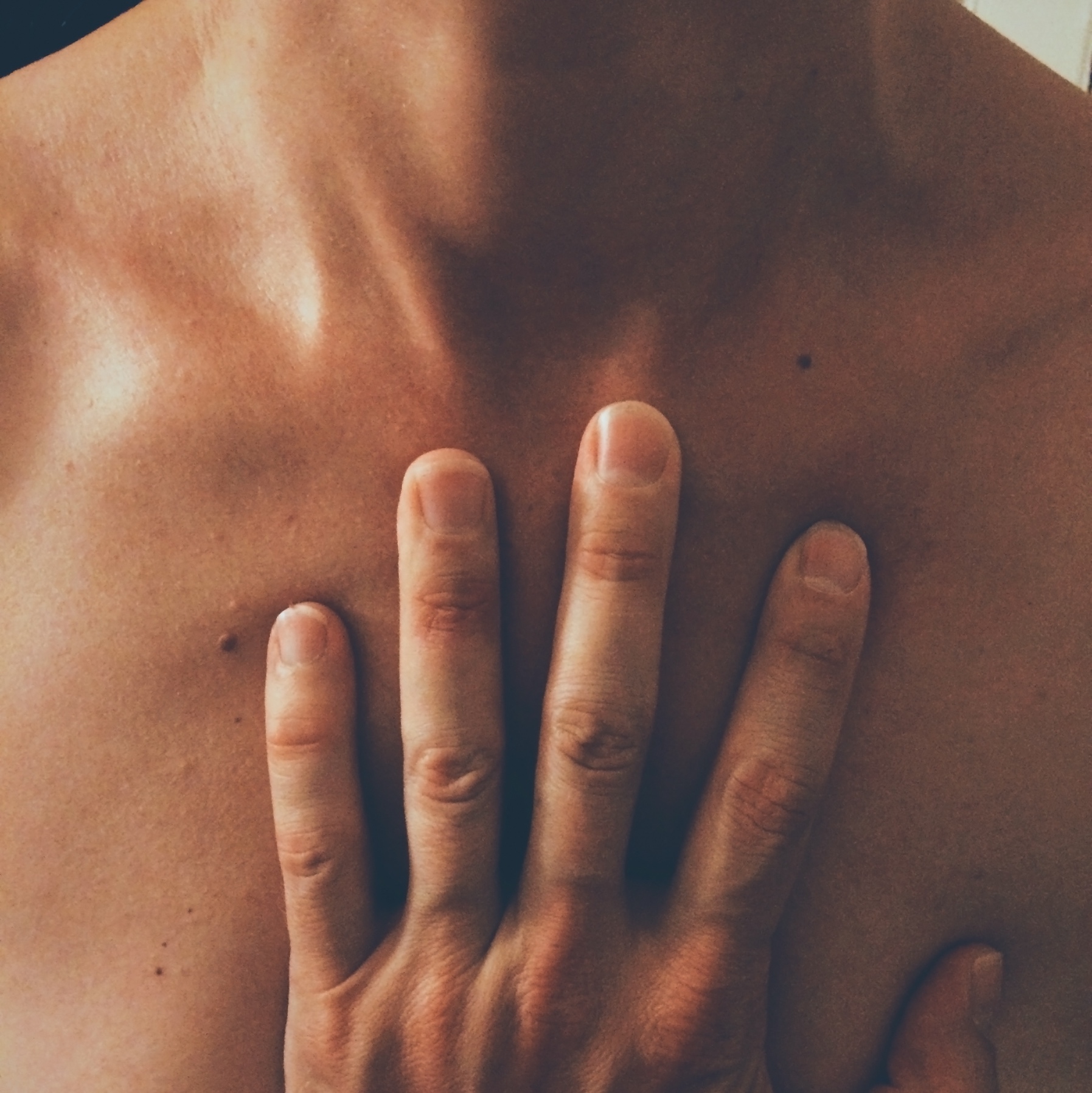
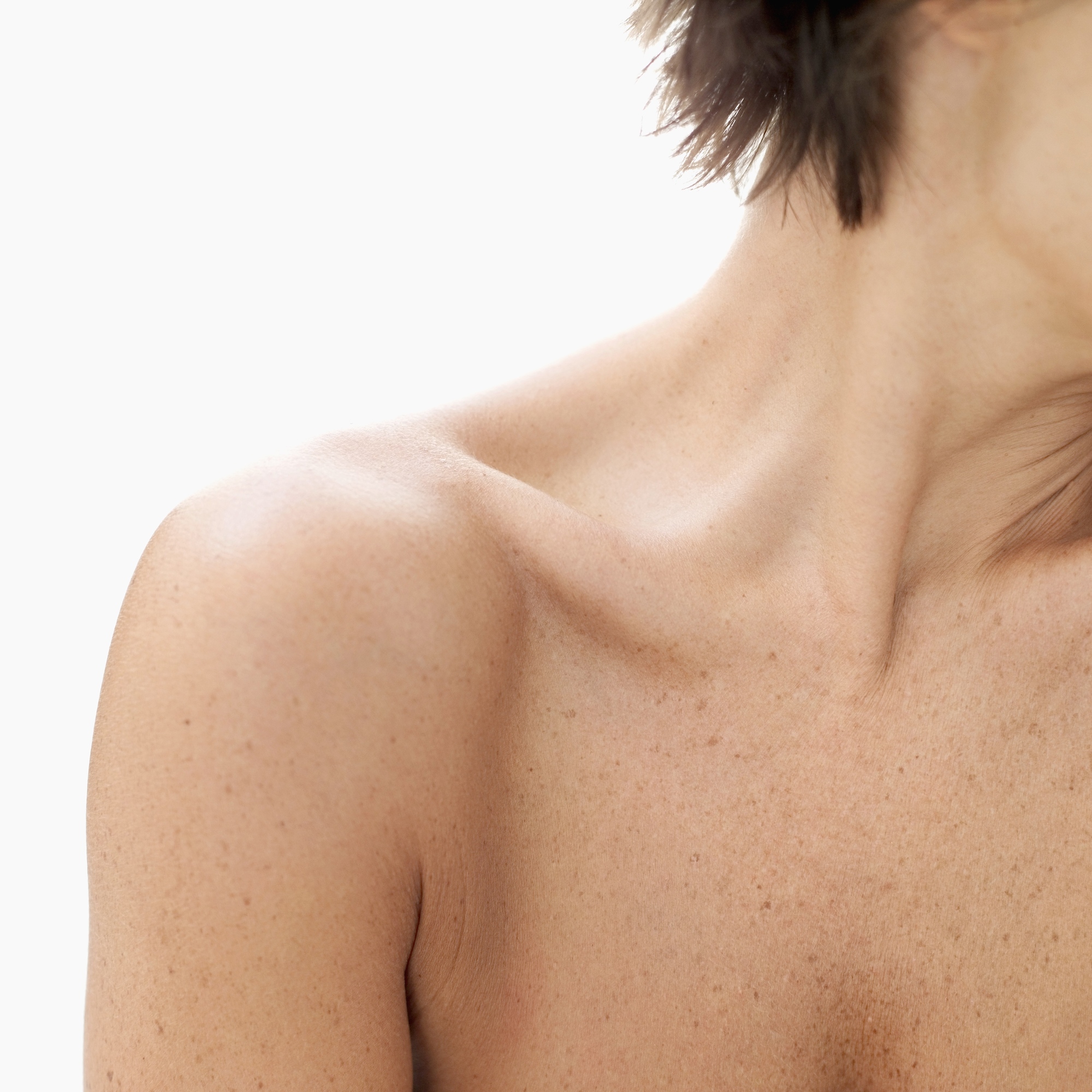
Thin Skin*
Patient to Patient
  • Veins/Veiny 68%
HCP to Patient
  • Veins/Veiny 70%
HCP to Patient
  • Visible Venous Pattern 68%
Skin Attribute
Crepey Skin
Patient to Patient
  • Aged 58%
HCP to Patient
  • Crepey 48%
HCP to Patient
  • Crepey 52%
Skin Attribute
Fine Lines
Patient to Patient
  • Crow’s Feet 66%
HCP to Patient
  • Crow’s Feet 76%
HCP to Patient
  • Crow’s Feet 76%
Skin Attribute
Coarse lines
Patient to Patient
  • Wrinkles 54%
  • Deep Wrinkles 53%
HCP to Patient
  • Wrinkles 58%
HCP to Patient
  • Dynamic Wrinkles 58%

*These were lighter skinned images and because their skin was thin we could see the veins. However, in the darker skin you may not be able to see the veins.

icon-core-category-4-b
Hydration and Sebum/Oil Changes
Skin Attribute
Patient-to-Patient
HCP-to-Patient
HCP-to-HCP
Skin Attribute
Oily Skin
Patient to Patient
  • Oily 63%
HCP to Patient
  • Oily 60%
HCP to Patient
  • Oily 60%
Skin Attribute
Dry Skin
Patient to Patient
  • Dry 64%
HCP to Patient
  • Dry 64%
HCP to Patient
  • Xerosis 55%
icon-core-category-1-b
Mechanical Changes
Skin Attribute
Patient-to-Patient
HCP-to-Patient
HCP-to-HCP
Skin Attribute
Laxity (Face)
Patient to Patient
  • Saggy 53%
HCP to Patient
  • Saggy 49%
  • Droopy 48%
HCP to Patient
  • Loss of Elasticity 80%
Skin Attribute
Laxity (Stomach)
Patient to Patient
  • Saggy 57%
HCP to Patient
  • Loose 58%
HCP to Patient
  • Loss of Elasticity 71%
Skin Attribute
Laxity (Thighs)
Patient to Patient
  • Loss of Firmness 48%
  • Loss of Elasticity 48%
HCP to Patient
  • Crepey 48%
HCP to Patient
  • Crepey 52%