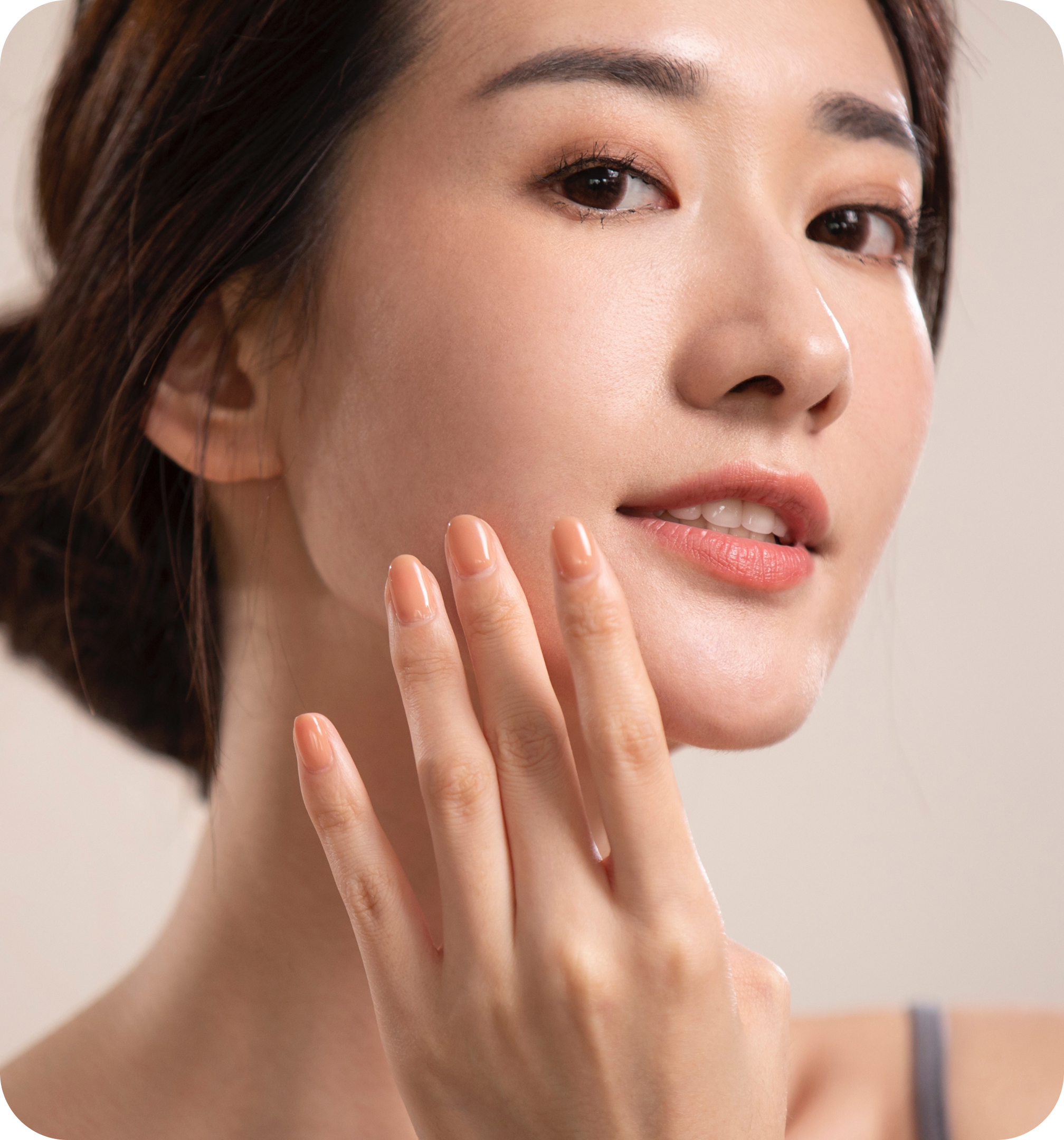

What Is It?
The Skin Quality Index is a streamlined vocabulary, rooted in science and developed in collaboration with healthcare providers and patients, to simplify discussions around skin quality concerns, treatments, and outcomes.This standardized, science-backed resource provides a unified language to describe and address skin concerns by fostering clarity, empowering patients, and enabling providers to make more precise recommendations to support positive patient outcomes.
Brought to you by Allergan Aesthetics, an AbbVie company
The Research
Skin quality has become increasingly popular as an aesthetic category, and yet patients and providers often utilize different terminology when describing skin quality attributes or concerns, which could create confusion. Ultimately, the term "skin quality" itself functions as a non-specific umbrella phrase or catch-all, proving an imprecise medical descriptor. Its true meaning is highly individualized, encompassing a unique set of concerns for each patient, and relying on such a broad term could hinder accurate assessment, consultations and treatment recommendations and negatively impact treatment outcomes. To address this problem, Allergan Aesthetics conducted a three-phased research approach to develop a patient-provider communication tool with insights from both healthcare providers (HCPs) and patients, to transition "skin quality" from a vague concept to one with a more precise and personal understanding.
Study Results

Purely visible by the eye

Perceived by touch or feel

Change in skin moisture or oiliness

How skin moves with physical manipulation or deformation
*Sebum is an oily substance produced by sebaceous glands in the skin, which helps to lubricate and protect the skin and hair.
More About the Methodology
The research behind the Skin Quality Index was split into three phases:
More About the 4 Categories
Stemming from this research, The Skin Quality Index is organized into 4 core categories around the way skin can change.
Category

1/4
Purely visible by the eye
Category

2/4
Perceived by touch or feel
Category

3/4
Change in skin moisture or oiliness
Category

4/4
How skin moves with physical manipulation or deformation
The Skin Quality Index
The Index features 15 terms and definitions that fall under the 4 core categories. These terms aim to enhance understanding and decision-making from patient consultation to treatment. Use these terms to facilitate better communications around skin quality concerns.
Skin that minimally reflects light with a lack of radiance.
Non-homogenous skin coloration.
Reddish discoloration on the skin surface.
Excess localized pigmentation darker than the surrounding skin.

Uneven texture of skin giving a coarse appearance and feel.
Visible openings of pilosebaceous folicles.
Loss in epidermal, dermal, and/or subcutaneous thickness.
Thin skin with wrinkles.
Superficial wrinkles in the skin.
Deep wrinkles in the skin.

A greasy appearance or feeling, caused by sebum production.
Reduced hydration which may be associated with a disrupted skin barrier.

Skin with the ability to resist deformation.
Skin that is loose or saggy.
Decrease in the ability of the skin to return to its original shape after distortion.
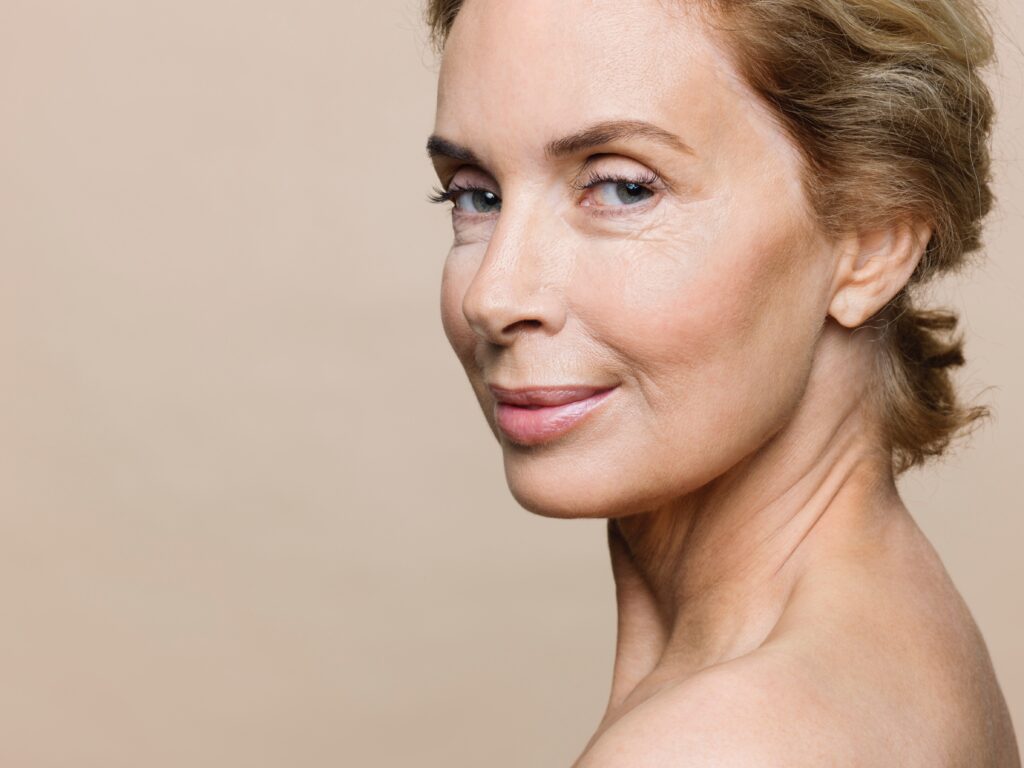
Improving Outcomes
The Skin Quality Index establishes a common language among the communities below.
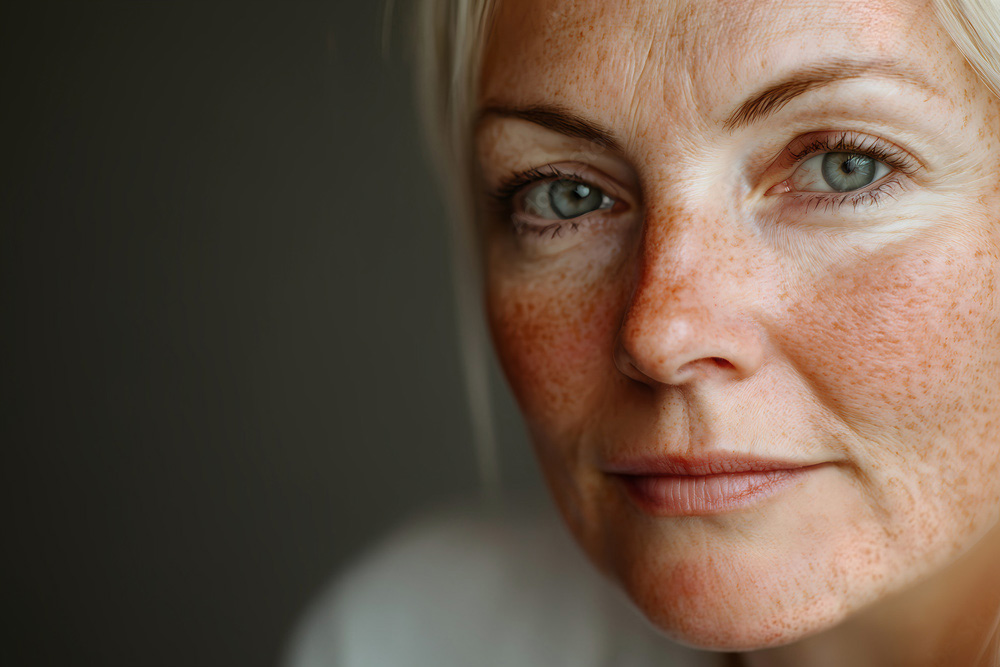
Patients:
The goal is to empower patients to express concerns clearly through standardized terms, allowing them to take an active role in their skincare.

Providers:
The goal is to equip providers with the right tools to make precise, personalized recommendations from consultation to treatment and improve communications with patients.

Industry:
The goal is to streamline communications when approaching product evaluations and outcomes around skin quality. The Skin Quality Index is a tool that will support health authorities and regulatory bodies in evaluating indications for products related to skin quality, resulting in more efficacious treatments on the market.
From improving consultations to enhancing industry practices, the Skin Quality Index sets a new standard in skin health, fostering better patient outcomes and satisfaction.
The Quiz
Take this quiz before your next appointment
Meet the Skin Quality Index Experts
Brought to you by Allergan Aesthetics

Angeline Yong, MD

Derek Jones, MD

Julia Garcia, PhD, MS

Shannon Humphrey, MD, FRCPC

Stephanie Manson Brown, MBBS, MRCS, MFPM

Vaishali D. Patel, PharmD, MS

Sherket Peterson, PhD
Additional Contributors:
- Arisa Ortiz, MD, is the Director of Laser and Cosmetic Dermatology and a Clinical Professor in the Department of Dermatology at UC San Diego Health.
- Joely Kaufman, MD, FAAD, is the Director of Skin Associates of South Florida and the Skin Research Institute in Coral Gables, FL.
- Nicholas J Lowe, MB, ChB, MD, FRCP, is a Fellow of the American Academy of Dermatology, a Consultant Dermatologist in the UK, an Honorary Senior Lecturer at the University of Manchester, and a Clinical Professor at UCLA, Los Angeles.
- Deanne Mraz, MD, FAAD, is the President and Co-Founder of Modern Dermatology in Westport, CT, an Attending Physician of cosmetic, surgical, procedural, and general dermatology there, and the Owner/Founder/Principal Investigator at DMR Research PLLC.
- Anthony M. Rossi, MD, FAAD, FACMS, is the Founder of Dr. Rossi Derm MD Skincare, an Associate Member at Memorial Sloan Kettering Cancer Center, and an Associate Professor at Weill Cornell Medical College.
- Noëlle Sherber, MD, FAAD, is the Co-founder of SHERBER+RAD in Washington DC and a Clinical Associate Professor at George Washington University School of Medicine and Health Sciences.
- Bruna Souza Felix Bravo, MD, MsC, is a Dermatologist at Bravo Clinic in Brazil.
- Christophe Leys, MD, is a Dermatologist at Medicalskincare Sint-Truiden.
- Dr. Patricia Ogilvie is a Board-certified Dermatologist at Skinconcept Munich, Germany.
- Suzanne L. Kilmer, MD, is the Director of the Laser and Skin Surgery Center of Northern California and a Clinical Professor in the Department of Dermatology at the University of California, Davis, School of Medicine.
- Matthew Avram, MD, JD, is the Director of the Massachusetts General Hospital Dermatology Laser & Cosmetic Center, and the Faculty Director for Laser and Cosmetic Training in the Department of Dermatology at Harvard Medical School.
About Allergan Aesthetics
At Allergan Aesthetics, an AbbVie company, we develop, manufacture, and market a portfolio of leading aesthetics brands and products. Our aesthetics portfolio includes facial injectables, body contouring, plastics, skin care, and more. Our goal is to consistently provide our customers with innovation, education, exceptional service, and a commitment to excellence, all with a personal touch. For more information, visit www.allerganaesthetics.com.